
In a world increasingly focused on sustainability, The Gambia is taking a proactive stance on climate action, particularly in its transport sector. While the global transition to electric and sustainable vehicles is gaining momentum, for many in The Gambia, embracing green transport is a journey that starts with smart habits and forward-thinking infrastructure. The commitment to a more sustainable future is a shared vision, from high-level government policy to the daily choices made by individual drivers.
The movement towards Gambia green mobility is not just a trend; it's a strategic effort to improve air quality, reduce reliance on imported fuels, and ensure a cleaner environment for generations to come.
Paving the Way with Policy and Innovation
The foundation of The Gambia’s green transport ambitions lies in its national strategies. The country has set an ambitious goal to reduce emissions by 49.7% by 2030, a target that places the transport sector at the forefront of its climate action plan. To support this, the government, with international partners, has invested in a significant overhaul of both its energy and road infrastructure.
Investments in large-scale solar power plants and grid modernization are laying the crucial groundwork for future electric vehicle adoption. By generating clean electricity, The Gambia is creating a sustainable source of power to eventually fuel its transport fleet. This aligns with broader efforts to improve vehicle inspection and emission testing systems, ensuring the country’s existing vehicles operate as cleanly as possible. For more insights on regional transport and vehicle policies, you can explore resources like those available at AfriCarGroup.
The Role of Eco-Driving and Public Awareness
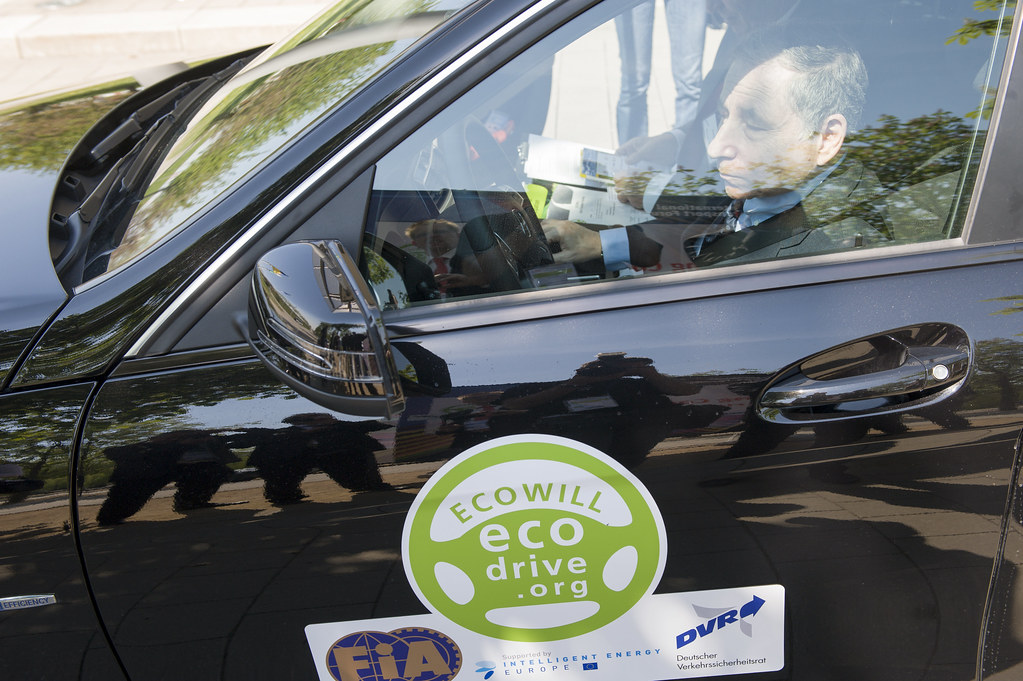
While policy and infrastructure are vital, the daily actions of every driver are equally important for Gambia green mobility. Even without an electric vehicle, there are practical steps everyone can take to reduce their carbon footprint. Simple habits like maintaining proper tire pressure and practicing smooth acceleration are highly effective in saving fuel and cutting emissions. A well-maintained vehicle is a more efficient vehicle, so regular oil changes and filter replacements are a must.
Furthermore, avoiding excessive idling in urban traffic, particularly in Banjul, and reducing unnecessary weight in your vehicle can lead to significant savings on fuel costs while reducing your environmental impact. These small, consistent efforts by individuals are the essential complement to the nation’s large-scale projects, creating a comprehensive approach to sustainable transport. These habits show that a greener future is within reach for everyone, regardless of their budget. This collective commitment to responsible driving is what truly drives Gambia green mobility.
The road to green mobility is a collaborative journey in The Gambia. It's a powerful combination of national vision and individual action, demonstrating that a sustainable future is not only possible but is already being built, one conscious decision at a time.
What personal habits have you adopted to contribute to a greener commute in The Gambia? Share your experiences in the comments below!