

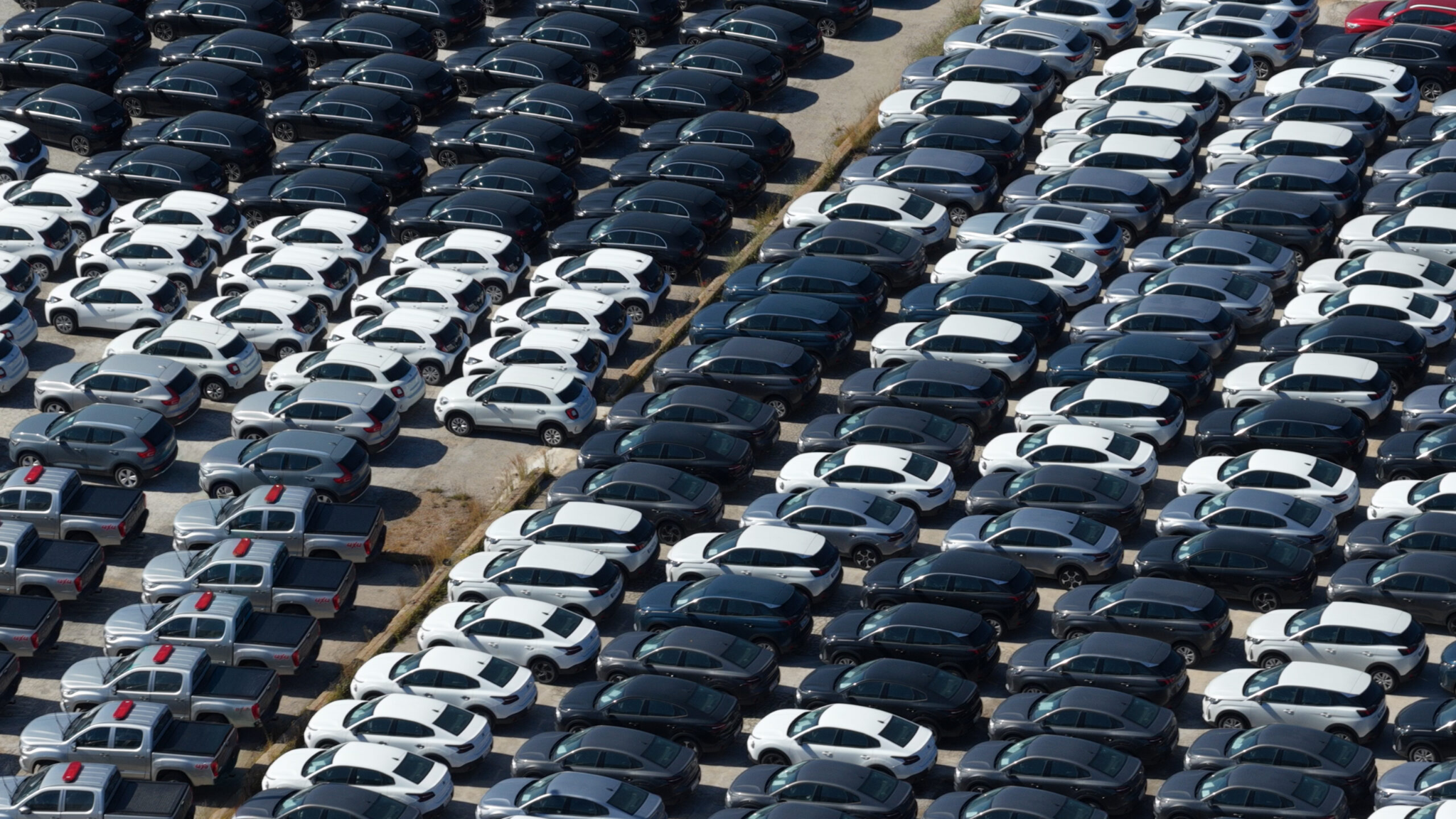
The Gambia Used Vehicle Imports market could face significant changes as the government prepares new measures aimed at reducing pollution and improving waste management. The Ministry of Forestry and Environment is developing a policy that would tighten controls on imported secondhand vehicles and used tyres.
Environment Minister Rohey John Manjang announced the plans during a town hall meeting in Bijilo in July 2026. She said the growing volume of used tyres entering the country has become an environmental concern, while older imported vehicles are also being targeted because of their potential emissions.
The proposal is still being drafted, meaning important details have not yet been finalized.
Mileage Limits Could Change the Used-Car Market
A major element of the planned policy is the introduction of maximum mileage limits for imported secondhand vehicles. The government wants to prevent heavily used and potentially high-polluting vehicles from entering the Gambian market.
The exact mileage threshold has not yet been announced, nor has an implementation date been confirmed. Therefore, importers and buyers should not assume that a new mileage restriction is already in force.
The proposal could nevertheless have a noticeable impact on Gambia Used Vehicle Imports, particularly for businesses that depend on older vehicles because of their lower purchase prices.
Existing Age Rules Provide a Starting Point
The Gambia already has restrictions affecting the age of imported vehicles. The Gambia Revenue Authority states that motor vehicles more than eight years old are not allowed to enter the country.
A future mileage requirement would therefore add another layer of screening. Instead of looking only at the vehicle's age, authorities could also consider how extensively it has been driven before importation.
Used Tyres Also Come Under Pressure
The Gambia Used Vehicle Imports policy is being developed alongside proposed controls on used tyre imports. According to the minister, discarded tyres can become difficult waste-management problems when they are dumped or burned.
Open burning is particularly concerning because it can release hazardous substances into the atmosphere. Reducing the number of used tyres entering the country could therefore reduce the amount of waste requiring collection, storage and disposal.
The issue also connects directly with the vehicle market because imported used cars frequently arrive with tyres that have already accumulated significant mileage.
What It Means for Buyers and Importers
For businesses involved in Gambia Used Vehicle Imports, tighter requirements could increase the importance of vehicle inspection, mileage verification, and documentation. Importers may need to become more selective when sourcing vehicles overseas.
Consumers could also see changes. If fewer older or heavily driven vehicles are eligible for import, the supply of inexpensive used cars could become tighter. On the other hand, newer vehicles could offer improved fuel efficiency, lower emissions, and potentially fewer maintenance problems.
International environmental research has also found that policies governing the age and emissions performance of used vehicles can help reduce the environmental impact of older imported fleets.
For more automotive developments across African markets, visit AfriCarGroup.
A Potential Shift for Gambia's Car Market
The Gambia Used Vehicle Imports sector is entering a period of potential change. The government's proposed mileage controls and used-tyre measures have not yet become final regulations, but they signal a stronger focus on vehicle pollution and waste management.
If implemented carefully, the policy could encourage a gradual shift toward newer, cleaner vehicles while giving importers time to adjust to the new requirements.
Conclusion
The Gambia Used Vehicle Imports market could look considerably different if the proposed controls become law. Mileage limits, alongside existing age restrictions and tighter tyre-import rules, would place greater emphasis on vehicle condition and environmental performance.
Do you think The Gambia should introduce stricter mileage limits on imported used cars, or could the rules make affordable vehicles harder to access? Share your thoughts in the comments.